
The Data Reality Series
Your data can do more.
The right foundation makes the difference.
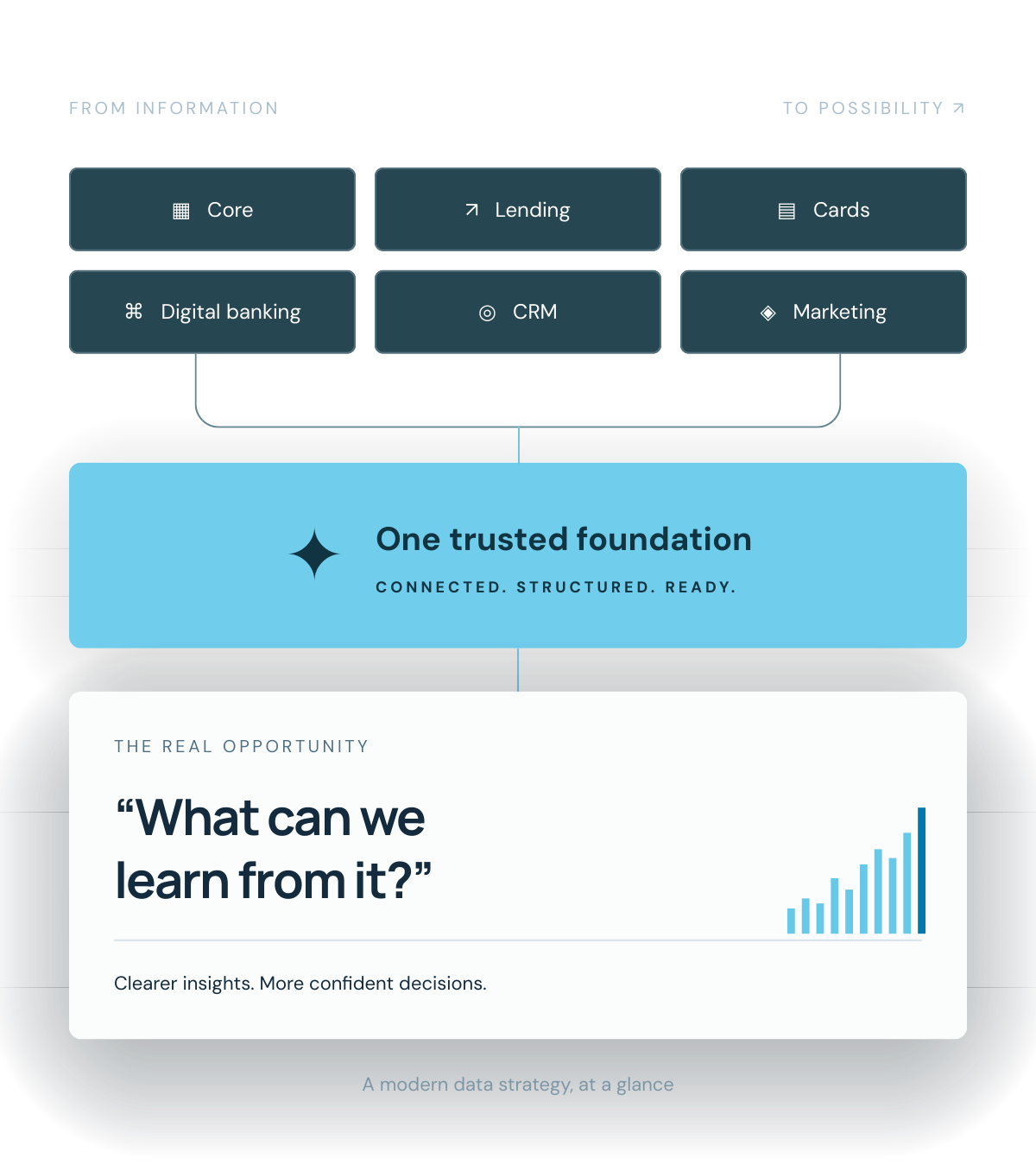
Banks and credit unions have more data than ever before. It lives in your core. Your lending platform. Your card systems. Digital banking. CRM. Marketing tools. Spreadsheets. And probably a few other places, too.
The challenge isn’t simply having access to information. It’s bringing that information together, trusting it and turning it into something your teams can actually use.
That’s where a modern data strategy starts.
01 / The Foundation Reality
Having data isn’t the same as having a data foundation.
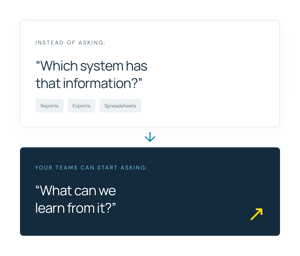
When information lives across disconnected systems, even simple questions can require multiple reports, manual exports and a lot of back-and-forth.
A modern data warehouse creates a centralized foundation that brings those sources together, giving your institution a more complete and consistent view of what’s happening.

Unify siloed data from core banking, LOS, and digital platforms.

Automate executive and operational reporting to reduce manual effort and improve access to insights.

AI-Ready Foundation
Create clean, structured data for predictive analytics and future AI use cases.

Identify trends related to churn, delinquency risk, deposits, and lending opportunities.
03 / The Data Quality Reality
Better decisions start with data you trust.
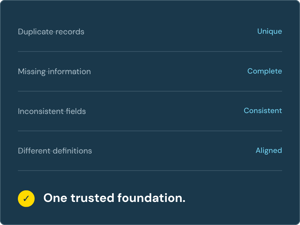
Duplicate records. Missing information. Inconsistent fields. Different definitions of the same metric.
Data quality problems don’t always announce themselves. But when different teams produce different answers to the same question, confidence starts to disappear.
Clean, structured and governed data creates a more reliable foundation for reporting, analytics and the decisions that follow. One trusted foundation. A clearer picture. More confidence in what comes next.
04 / THE AI REALITY
And yes, that includes AI.
But AI isn’t step one.
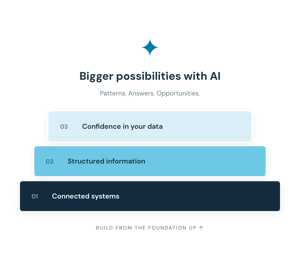
AI is creating exciting new possibilities for financial institutions. But those tools still depend on the information underneath them.
Before AI can help uncover patterns, answer questions faster or surface new opportunities, your institution needs connected systems, structured data and confidence in what’s being fed into the technology.
Start with trusted data. Then ask bigger questions.
Quick Facts: The Lodestar + Core Advantage
Fiserv Integration
We specialize in extracting value from Fiserv cores, ensuring your reporting is seamless and automated.

Corelation Power
Leverage your Corelation investment with custom dashboards designed for executive-level clarity.

Predictive Power
Our platform helps clean and structure your data, making it ready for predictive modeling, automation, and AI-supported decision-making.


Your Next Chapter
Make Data Part
of Your 2027 Plan
Whether you’re thinking about modernizing your reporting, building a stronger data foundation, expanding analytics or preparing for what’s next with AI, you don’t have to figure out the roadmap alone.
Lodestar helps financial institutions understand where they are today, where they want to go and what it takes to get there.
Planning for 2027? Let’s talk about where data fits into your strategy.
